-2.jpg?width=474&height=316&name=OIP%20(9)-2.jpg)
Building thinking skills: Cause and Effect
Help young children develop curiosity, reasoning, and problem-solving through play and exploration. This course explores how to nurture cause-and-effect thinking in Early Years settings — from simple investigations and sensory play to everyday routines that build critical thinking foundations. Learn practical strategies to question, observe, and guide children’s thinking while supporting the EYFS learning goals for Understanding the World and Communication & Language. Help young children develop curiosity, reasoning, and problem-solving through play and exploration.
Deepening learning through Sustained Shared Thinking
Discover how meaningful interactions can spark curiosity, creativity, and deeper learning. This course explores sustained shared thinking — the process of adults and children working together to solve problems, clarify ideas, and extend understanding. Learn how to use effective questioning, active listening, and reflective dialogue to support children’s cognitive and language development in line with the EYFS 2025 framework.
Early Maths Matters
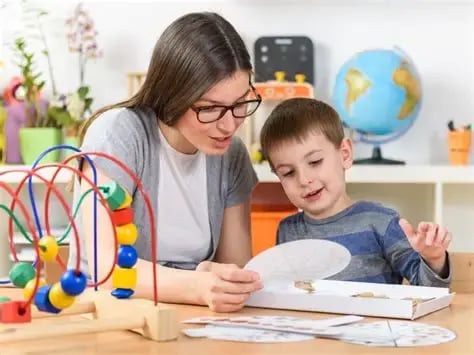
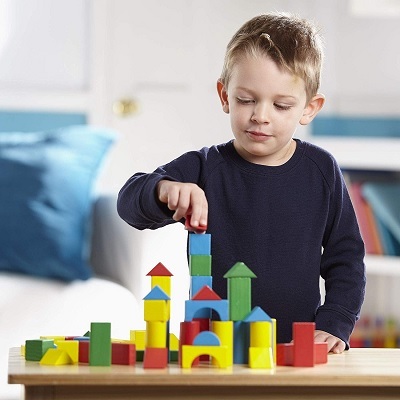
Lay the foundations for a lifelong love of maths through play, exploration, and discovery. This course explores how young children develop early mathematical understanding — from recognising patterns and counting to comparing quantities and solving simple problems. Learn how to create rich, hands-on learning experiences that promote curiosity, confidence, and reasoning skills, all aligned with the EYFS Mathematics goals. Discover how everyday routines, songs, and stories can help children build strong number sense in meaningful, playful ways.
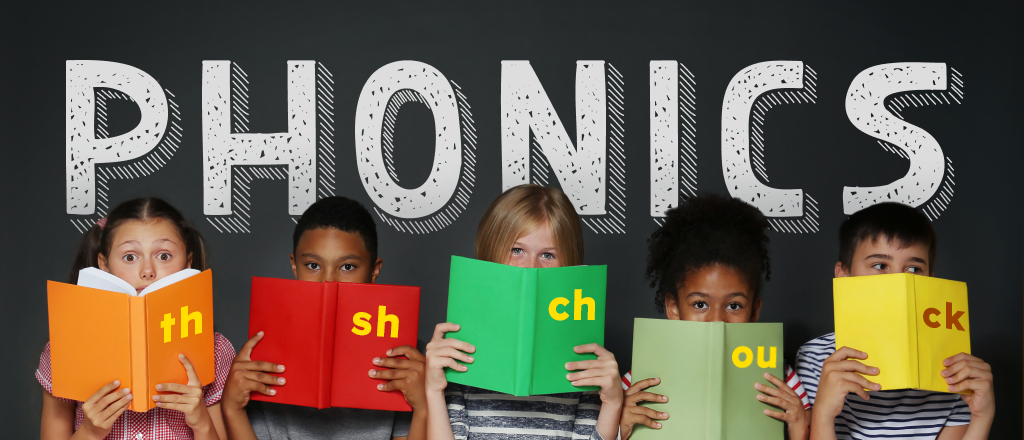
Getting started with Phonics
Give children the best possible start on their reading journey. This course explores how to teach phonics effectively in Early Years settings — from developing early listening and sound discrimination skills to introducing letter-sound correspondence and blending. Learn how to plan playful, engaging phonics sessions that build children’s confidence, language awareness, and love of reading, in line with the EYFS and DfE guidance.
Extended Learning for Toddlers
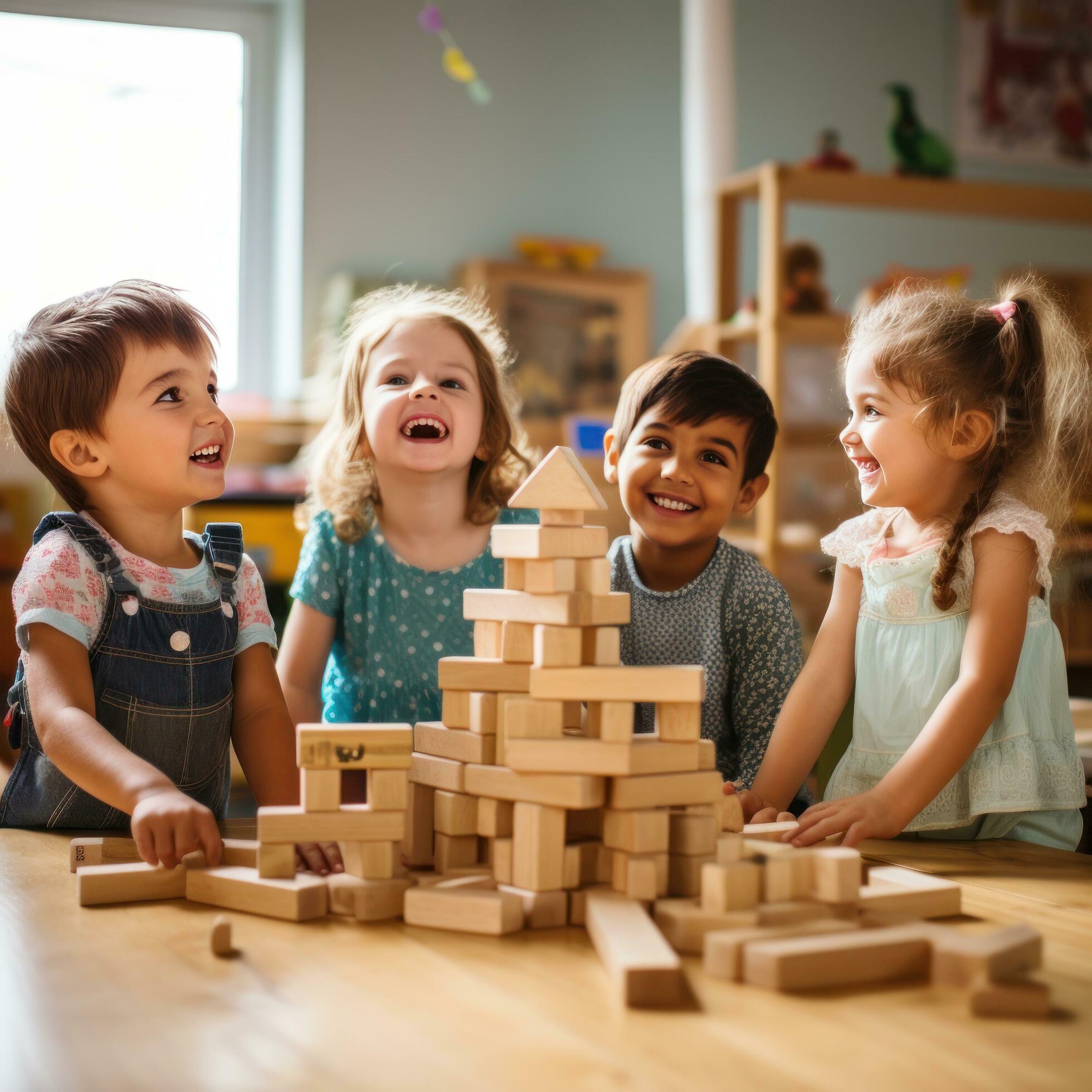
This short online course is designed to support early years practitioners working with toddlers and pre-schoolers to confidently recognise and extend children’s learning in everyday practice. Through clear examples and practical strategies, the course explores how young children learn through play, routines, interactions, and their environment. Learners will develop their understanding of what learning looks like in the early years, how to recognise it in everyday moments, and how to extend it in ways that are child-led, meaningful, and developmentally appropriate.
Engagement and Enjoyment
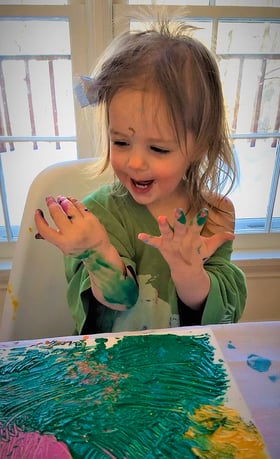
This short course helps early years practitioners reflect on how to create meaningful, enjoyable, and engaging experiences for babies and toddlers. It encourages educators to slow down, tune into children’s cues, and create calm, curious, and joyful environments — even when things get busy or messy.
Fundamental Maths
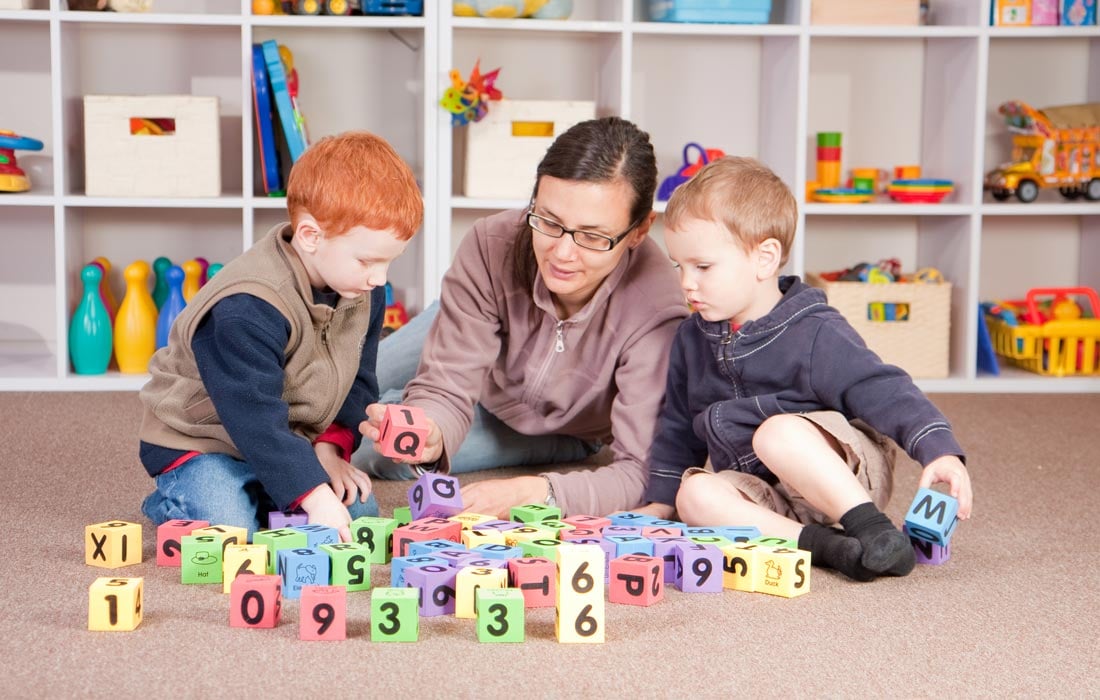
This online course supports early years practitioners in developing a confident, practical understanding of fundamental maths concepts, with a focus on measurement through play. Using a sensory-based, play-led approach, the course explores how young children naturally develop understanding of size, weight, capacity, and comparison through everyday experiences and routines.
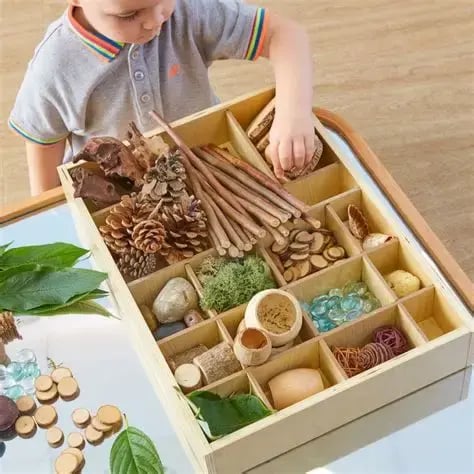
The Power of Loose Parts Play
This short online course introduces early years practitioners to the principles and practice of loose parts play. Participants will explore what loose parts play is, how it differs from fixed or adult-directed resources, and why it plays such a powerful role in supporting children’s learning and development. The course highlights the benefits of open-ended, child-led play and examines the adult’s role in creating environments where children can explore, think, and lead their own learning.
The Role Of Cooking
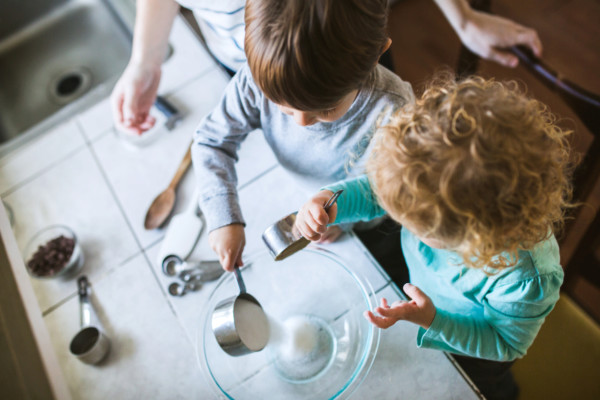
This online course explores the value and benefits of cooking with children in early years settings. It focuses on why cooking matters and how it supports children’s learning, wellbeing and inclusion, rather than teaching recipes or cooking skills. Through practical examples, reflective activities and interactive questions, practitioners will develop a clearer understanding of how cooking can be used as a meaningful, real-life learning experience within everyday early years practice.