
Effective Activity Planning
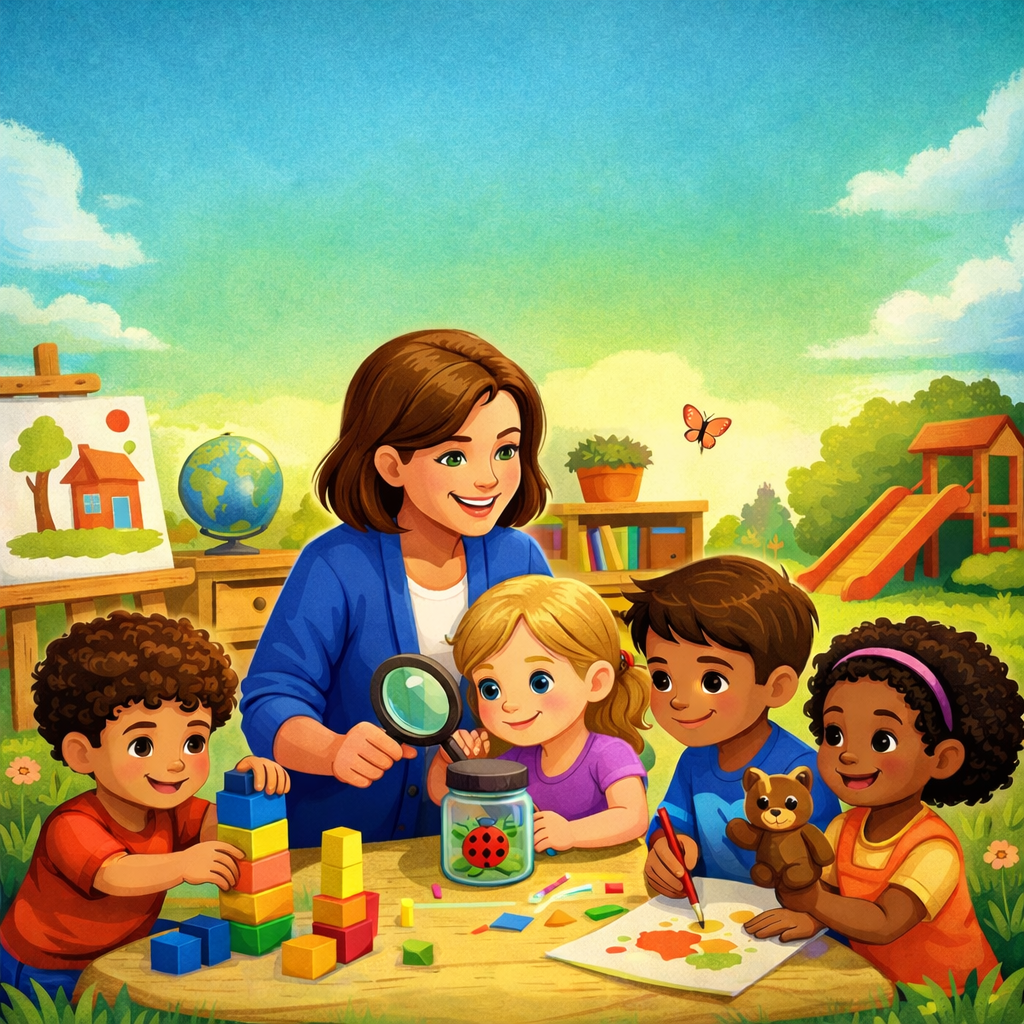
Effective planning is at the heart of high-quality early years education. This course guides practitioners through the key principles, processes, and practical tools for planning meaningful, engaging activities that support every child’s learning and development. You’ll explore how observation, assessment, and planning work together, how to design purposeful indoor and outdoor activities, and how to adapt your plans to meet the diverse needs of all children. Through videos, examples, reflection tasks, and interactive activities, you’ll build the confidence to plan with intention, flexibility, and creativity.
Leading with Confidence
Confident leadership creates positive, motivated teams and high-quality practice. This course is designed to help current and aspiring leaders in Early Years settings develop the skills, mindset, and self-belief to lead effectively. Explore how to build trust, communicate with clarity, and inspire others while managing challenges with confidence and professionalism. You’ll learn practical strategies for motivating teams, handling difficult conversations, and creating a culture of reflection and continuous improvement. Grounded in real-world Early Years leadership scenarios, this course empowers you to lead with purpose, empathy, and confidence. By the end of this training, you’ll understand your leadership style and how to bring out the best in both yourself and your team.


Seeing Quality: Leadership through observation
Strong early years leadership is built on what you see every day. This course focuses on how effective observation and purposeful learning walks can help leaders truly understand the quality of practice, provision, and interactions across their setting. You’ll learn how to observe with intent, recognise high-quality teaching and learning in early years environments, and use your findings to support staff development and continuous improvement. The session explores how to balance professional curiosity with support, ensuring learning walks are empowering, not intimidating. Through practical examples and reflective discussion, you’ll leave with strategies to build a confident, consistent approach to quality assurance in your early years team.
Understanding Schemas in early childhood development
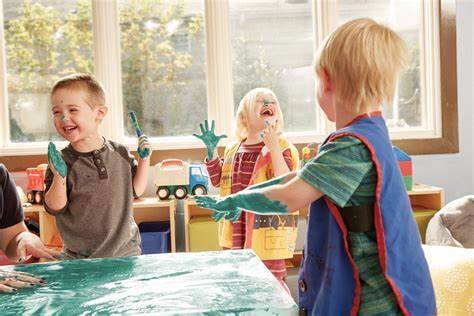
Ever wondered why children repeat certain actions, like dropping objects, spinning wheels, or hiding toys? This course explores schemas — patterns of repeated behaviour that reveal how young children think, learn, and make sense of the world. You’ll learn to recognise different types of schemas (such as trajectory, rotation, and enclosure), understand what they tell us about a child’s development, and plan activities that build on these natural learning drives. Discover how observing and supporting schemas can enhance engagement, extend learning, and strengthen your understanding of each child’s individual journey. By the end of this course, you’ll be able to identify schemas in play, respond appropriately, and use them to inform your planning and interactions.
Your role as a Key Worker
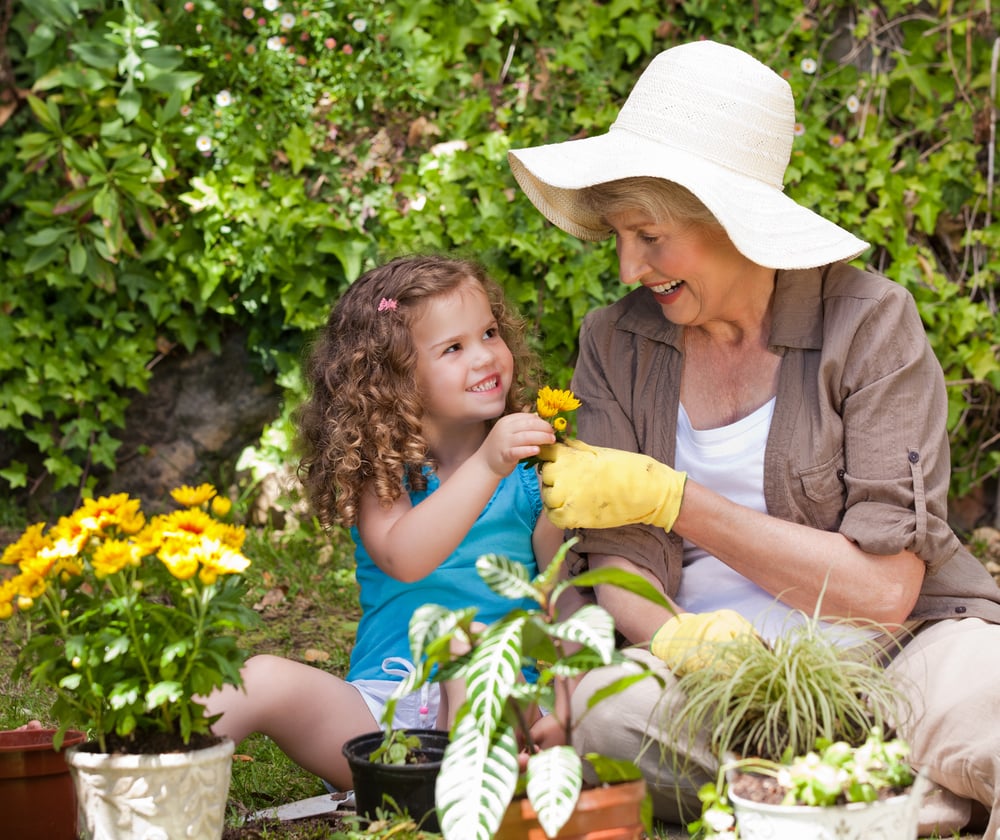
The key person approach lies at the heart of quality Early Years practice. This course explores the vital role of the key worker, focusing on how strong, secure relationships help children feel safe, confident, and ready to learn. Learn how to build trust with children and families, support emotional wellbeing, and observe and plan effectively for individual development. Discover practical ways to communicate sensitively with parents, manage transitions, and promote attachment and belonging within your setting. By the end of the course, you’ll understand the responsibilities of a key worker and how to fulfil this role with confidence, consistency, and care.
Understanding Early Years Teaching
Explore what it truly means to teach in the Early Years. This course examines the unique role of the Early Years practitioner in supporting play, communication, and holistic child development. Learn how children learn best through exploration, relationships, and hands-on experiences, and discover practical strategies to plan, observe, and assess learning in line with the EYFS framework. You’ll gain insight into how high-quality teaching in the Early Years shapes confidence, curiosity, and lifelong learning habits. By the end of this course, you’ll understand how to create purposeful learning opportunities that balance care, play, and education in an engaging, child-centred environment.


Next Steps and Tracking
This practical course supports early years practitioners to confidently plan, assess, and track children’s learning and development. You’ll explore the purpose of “next steps,” learn effective observation and assessment techniques, and discover how to link your insights to developmental milestones and curriculum frameworks such as the EYFS.
The course also focuses on creating meaningful, achievable next steps tailored to each child, using tracking tools to monitor progress, and interpreting data to inform planning and provision. By the end, you’ll be able to evaluate the impact of your practice and use tracking effectively to improve outcomes for children in your setting.
Creating and delivering an effective early years curriculum
This course helps early years practitioners understand how to create and deliver an effective early years curriculum that supports children’s learning and development. It explores the areas of learning, planning meaningful experiences, delivering learning through play and interaction, and reflecting on practice to support children’s progress.
Aligned with current early years guidance and inspection expectations, this course supports practitioners to deliver engaging, high-quality learning experiences that help children develop the knowledge, skills and confidence they need to thrive.